Where context is capital.

Penaga Research  is an ASEAN-focused advisory firm helping governments, investors, and market participants navigate energy, commodities, and digital policy — based on how markets actually work.

ABOUT US

Decades of experience in financial journalism, government, and regulatory relations.

ASEAN's economic transformation is happening at the intersection of physical and digital markets.

Regulatory frameworks written for one era are being stress-tested by the next — energy transition, commodity supply chain reform, and data governance are not separate policy files. They are the same question being asked in different sectors.

Penaga works with governments, financial institutions, and market participants who need to understand that question before their counterparts do.

PRACTICES

Energy Transition & Markets

Penaga advises across the full spectrum of ASEAN's energy mix — natural gas and LNG, power and utilities, renewables, and the emerging frameworks around biogas, biomass, and carbon markets. Our work focuses on the regulatory and market structures that determine how each of these is priced, traded, and governed.

Commodities

Penaga advises on the policy and governance frameworks shaping ASEAN's key commodity sectors — from agricultural commodities like palm oil and rubber, to critical minerals and metals. We focus on how these markets actually function, from production through to export.        

Data Governance & Digital Policy

The rules governing how data is collected, shared, and monetised are being written now. Penaga advises on governance frameworks, data trust architectures, and the cross-border policy environments that determine what is legally and commercially possible across jurisdictions.

Inclusive Digital Finance

Fintech regulation in emerging economies is a distinct discipline — shaped by fragmented infrastructure, underserved populations, and institutions building capacity in real time. Penaga advises on licensing frameworks, P2P and payments regulation, and the policy conditions that determine whether digital financial services reach the people they are built for.

AI & Technology Regulation

Artificial intelligence is moving faster than the frameworks designed to govern it. Penaga works at the intersection of technical implementation and regulatory exposure — advising on AI governance, privacy-preserving computation, and compliance architecture for AI systems operating across regulated and cross-border environments.
OUR INSIGHTS

What we're watching

Report
May 24, 2026

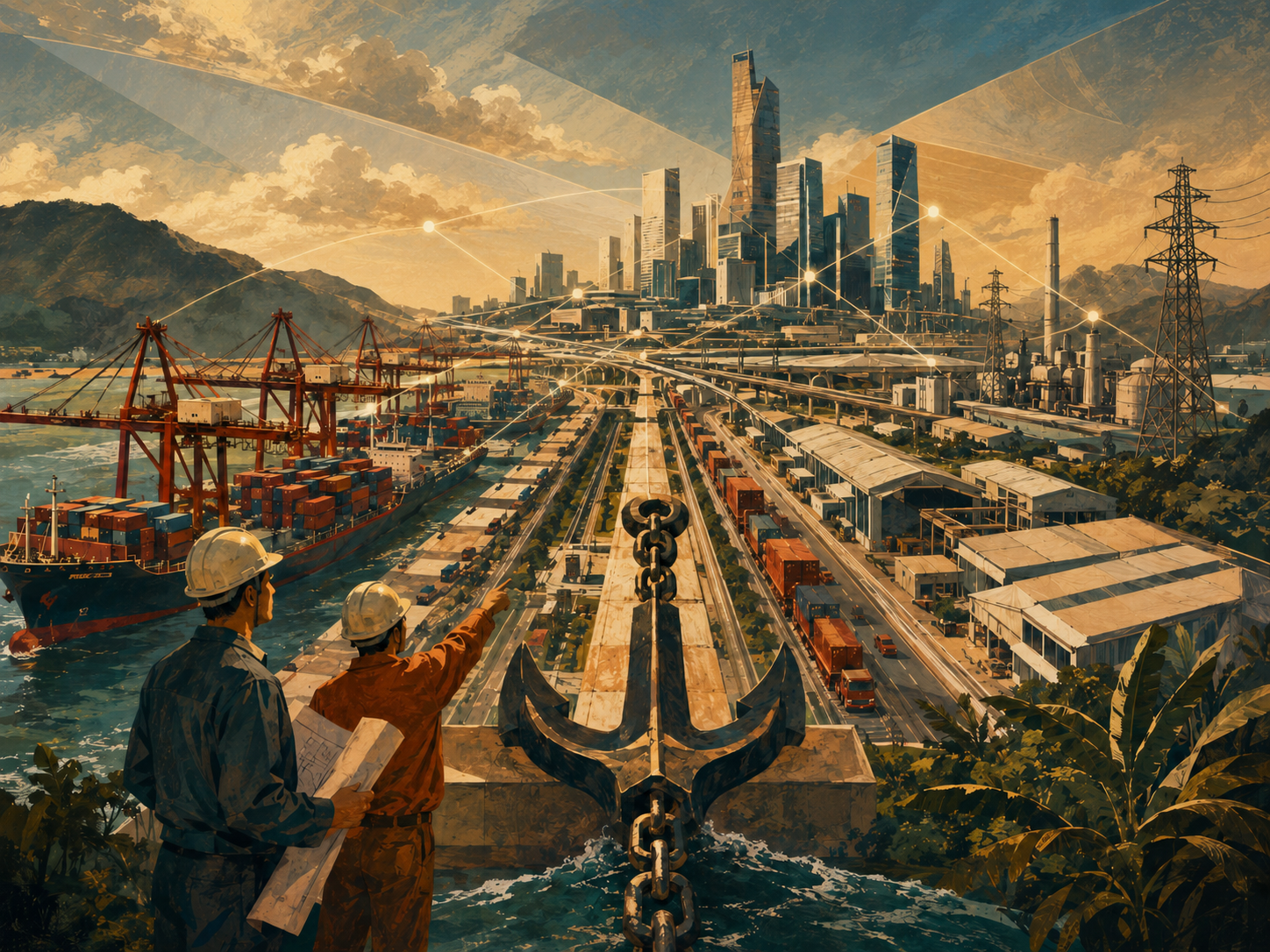
Malaysia has become the default ASEAN safe haven for global capital — American hyperscalers, Chinese industrial builders, Gulf sovereign wealth, and European manufacturers all arriving at once. Putrajaya now faces a more demanding test than attraction: making that capital work for Malaysian workers, SMEs, and communities, not just for foreign shareholders and investment scorecards.
Report
May 6, 2026

As jurisdictional arbitrage reaches its structural limit under the 2026 Hormuz blockade and Pillar Two tax floor, ASEAN SEZs must pivot from shallow tax enclaves to high-capacity operating platforms. The future of regional resilience lies in "Institutional Stack Zones" that trade on energy security and data fiduciary models to anchor durable capability rather than merely subsidizing mobile capital.

Report
April 21, 2026

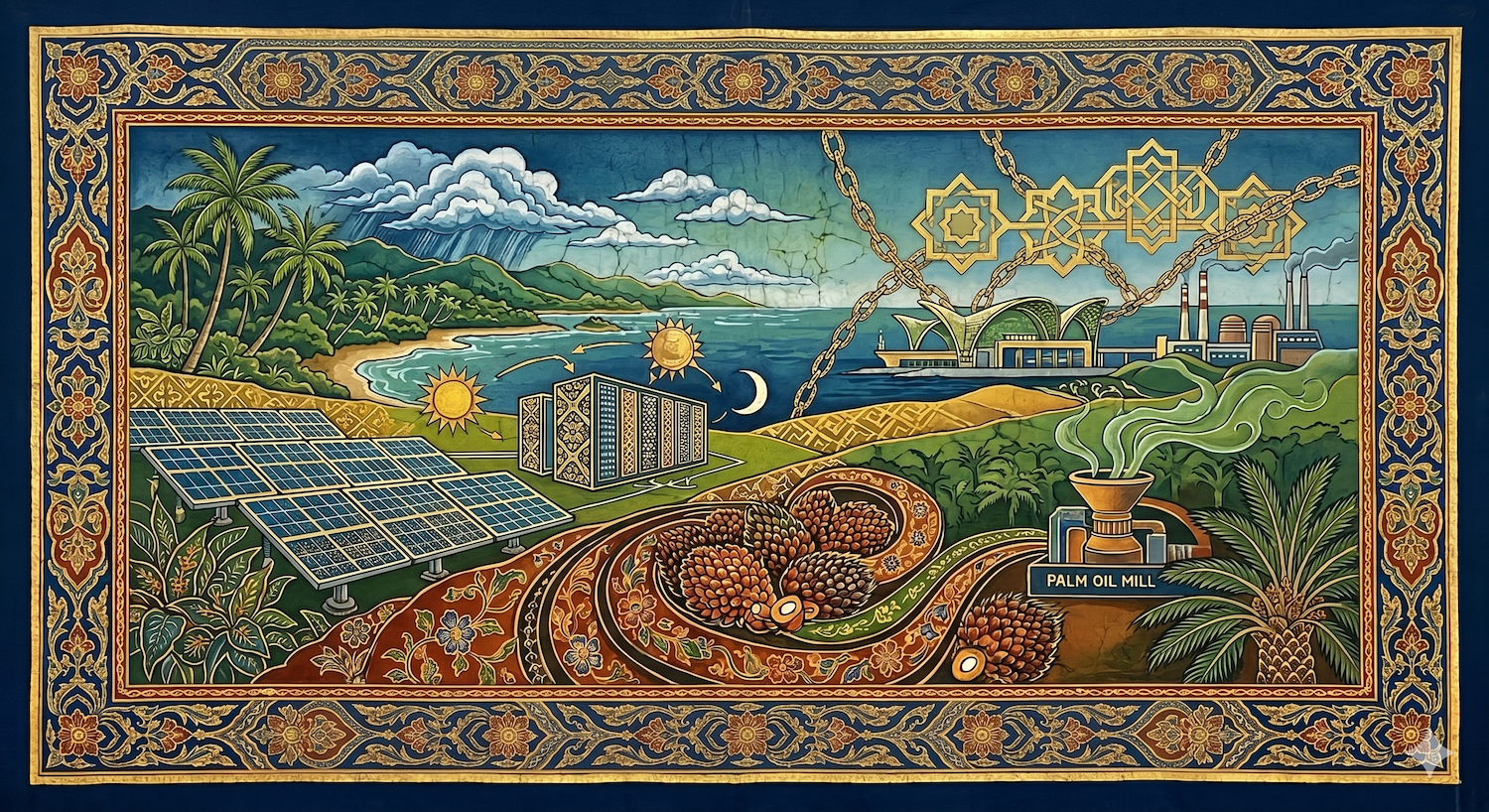
Trillion-ringgit ambitions and Southeast Asia's richest biogas feedstock — Malaysia's green energy sector has the ingredients. What it needs now is enforceable law, bankable project structures, and unified regulation.

NEWSROOM

Penaga in the news

April 9, 2026
Penaga Research & Consultancy said anchored within the Johor-Singapore Special Economic Zone (SEZ), the project reflects a complementary axis where Singapore provides trading infrastructure while Johor offers land and terminal capacity.
April 9, 2026
"According to a recent report by Penaga Research & Consultancy, the escalating conflict in the Middle East has increased disruption to global oil supplies, as nearly 20% of the world's supply depends on the Strait of Hormuz route."